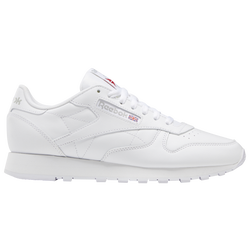
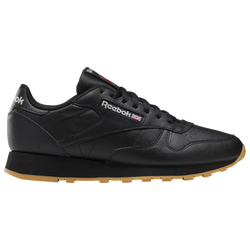
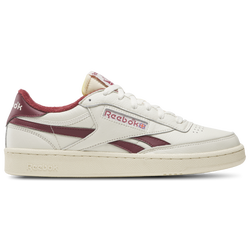
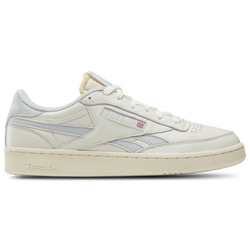
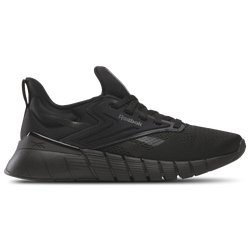
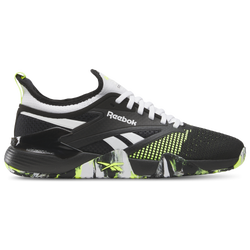
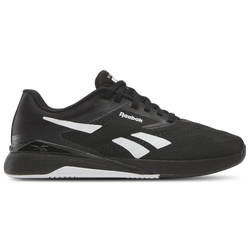
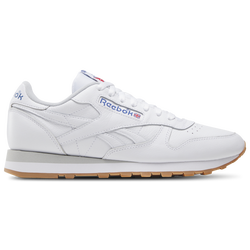
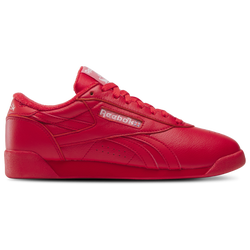
Reebok isn’t just a family of heritage footwear. It’s also a heritage of footwear that’s about family.
That’s what drove Jeff and Joe Foster to found the company in 1958. They were carrying on the tradition of their grandfather, J.W. Foster, who began the family affair of footwear with the very first track spikes in 1895.
The younger Fosters named their company after the Grey Rhebok, a 50-pound antelope that’s known for its sure-footedness on uneven terrain. That turned out to be an apt name for a company that would go on to have its ups and downs.
A movement for all
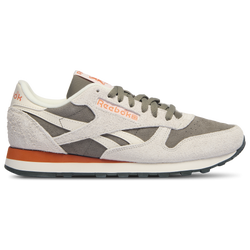
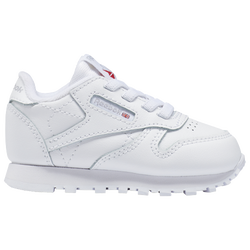
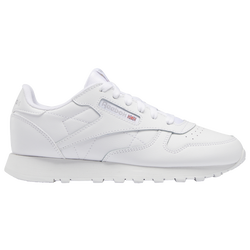
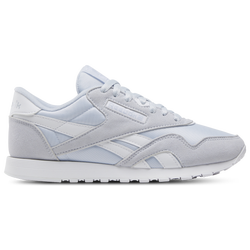
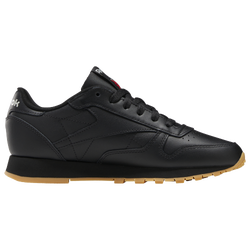
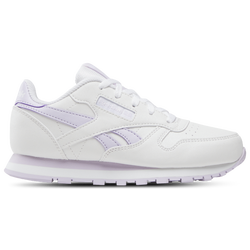
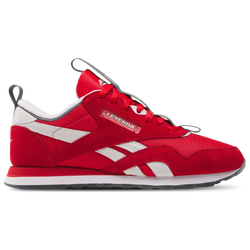
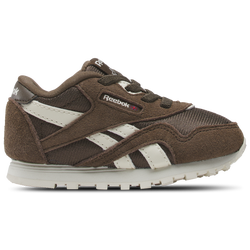
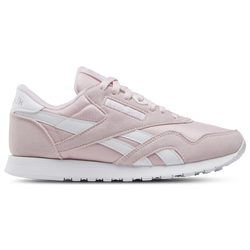
While Reebok’s legacy began on the track, it wavered a bit through the ’70s before the aerobic exercise movement of the ’80s gave it some fresh breath. That introduced trainers and runners such as the Reebok Classic, which joined basketball shoes like the BB4600.
With a foothold regained in sneaker culture, Reebok took another stride forward with Allen Iverson. When the young phenom was drafted into the pros in 1996, it was under shade from critics who said there were “questions” about whether he would succeed. Reebok answered with a line of signature kicks for the lightning-quick point guard and called it the Reebok Question. The company followed it with the Reebok Answer. Both met with success and established a certain anti-establishment tone for the otherwise-brightly brand.
Yesterday, today, and beyond
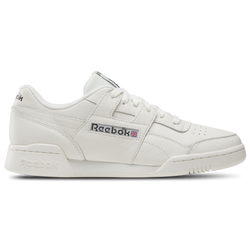
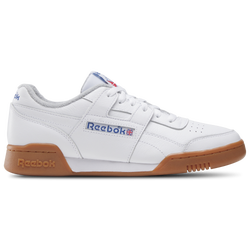
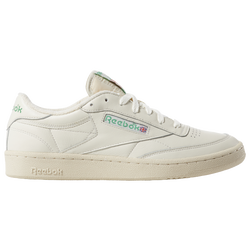
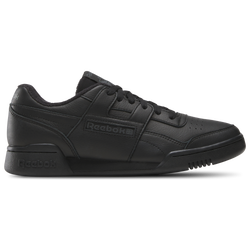
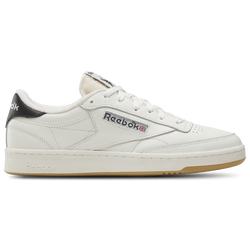
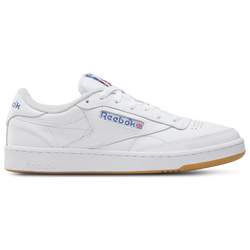
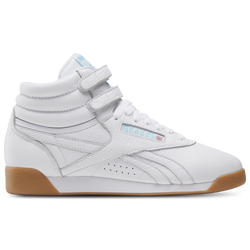
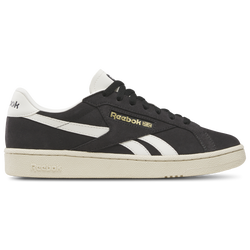
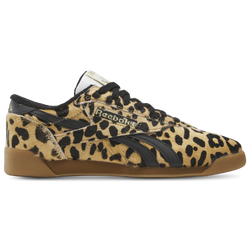
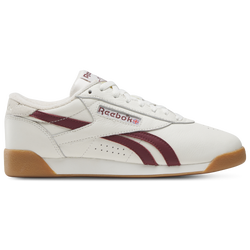
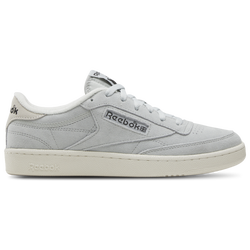
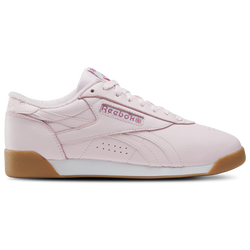
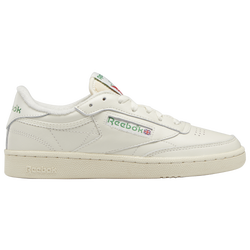
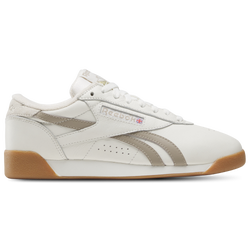
Reebok remains culturally relevant with nods to its past glories. Shoes like the Reebok Club C 85, the Workout Plus, and the Princess recall the brand’s widespread presence in ’80s rise of the health-and-fitness movement.
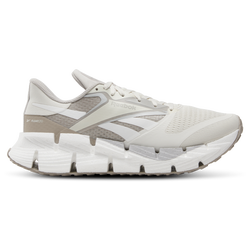
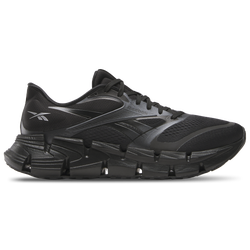
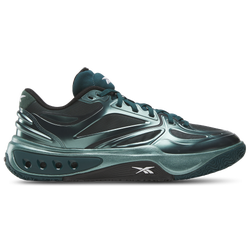
And shoes like the Zig Kinetica show it isn’t yet finished developing its look, taking an early 2000s outsole tech and evolving it into something new. Something that’s ready for whatever is next.