Where Nike’s Ideas Started—And Why They Still Matter
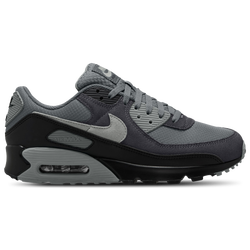
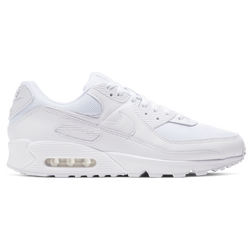
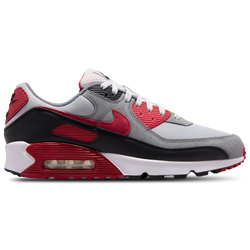
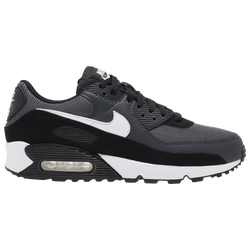
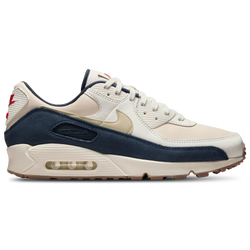
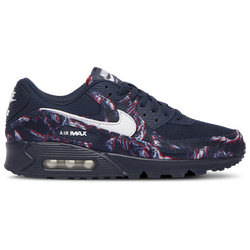
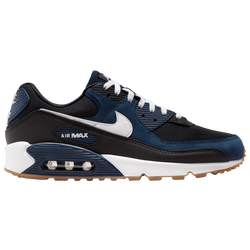
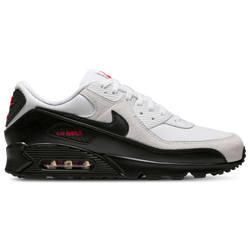
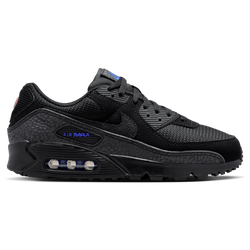
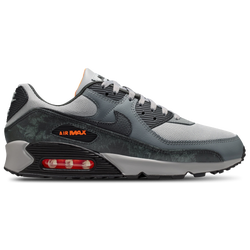
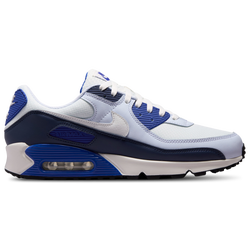
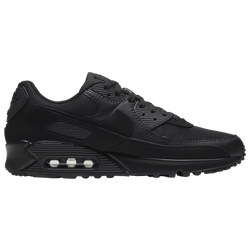
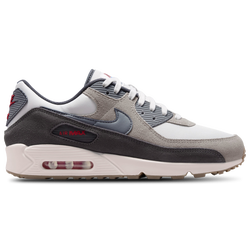
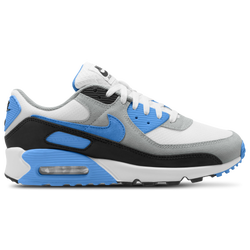
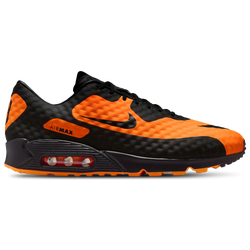
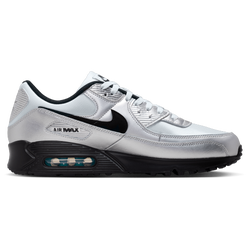
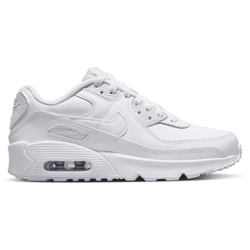
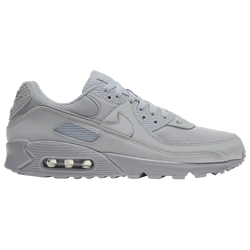
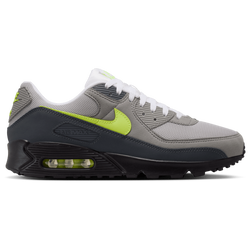
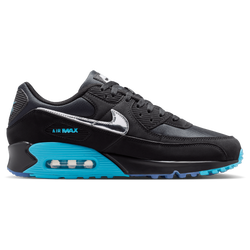
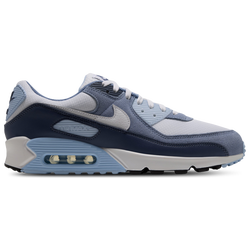
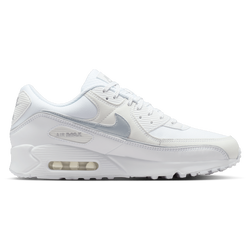
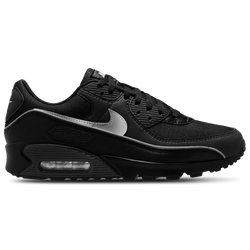
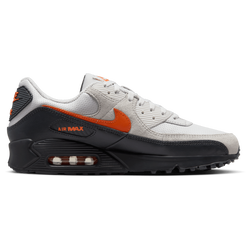
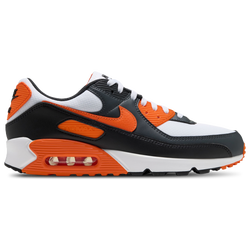
Nike has always pushed forward without losing sight of what worked. The Air Max 90 story reflects that approach, keeping the recognizable shape while refining details season after season. Materials feel lighter, finishes feel cleaner, and color options feel tuned into today’s Sport Style without drifting from the original identity.
That evolution sits within the broader world of Nike, where innovation isn’t about chasing trends—it’s about making pieces that stay relevant. Men’s Nike Air Max 90 Shoes fit right into that mindset, offering consistency you can rely on when building your weekly rotation.
Comfort You Notice, Even on Long Days
All-day wear matters, especially when your schedule doesn’t slow down. Men’s Nike Air Max 90 Shoes bring cushioning that feels steady from the first step to the last, without feeling bulky or stiff. The padded feel supports movement, while the shape stays easy on your feet during long stretches on the go.
If you’re browsing the wider range of Nike Shoes, the Air Max 90 stands out for how naturally it fits into everyday Sport Style. Champs Sports features multiple versions, making it easier to lock in the look and feel that matches how you move.
Built To Live Between Sport and Street
Men’s Nike Air Max 90 Shoes carry sport DNA, but they’ve earned their place far beyond training sessions. They pair easily with joggers, shorts, and athletic layers, making them a reliable option for warmups, recovery days, or watching the game with friends.
Why they stay in rotation:
• A shape that feels athletic without overpowering your fit
• Colorways that work across seasons
• Comfort that holds up through long wear
• A look that feels familiar but never tired
For those zeroing in on this silhouette specifically, the Nike Air Max 90 Shoes collection keeps that variety front and center.
Finding Your Place in The Nike Lineup
Men’s Nike Air Max 90 Shoes sit comfortably within a larger selection of everyday-ready options. They’re easy to rotate with other favorites while keeping a distinct identity rooted in sport history.
If you’re rounding out your lineup, exploring Men's Nike Shoes helps bring the full picture together. Champs Sports continues to spotlight this model because it delivers consistency, recognizable style, and comfort that shows up day after day—exactly what a strong Sport Style rotation needs.